Klasyczny Kair4.8
Kair
Muzeum Egipskie, Cytadela, bazar Chan al-Chalili i Stary Kair
Pięć tysięcy lat w jeden dzień: faraonowie na Tahrir, cytadela Saladyna, Kościół Wiszący i bazar.
9 godz.Prywatna
85 €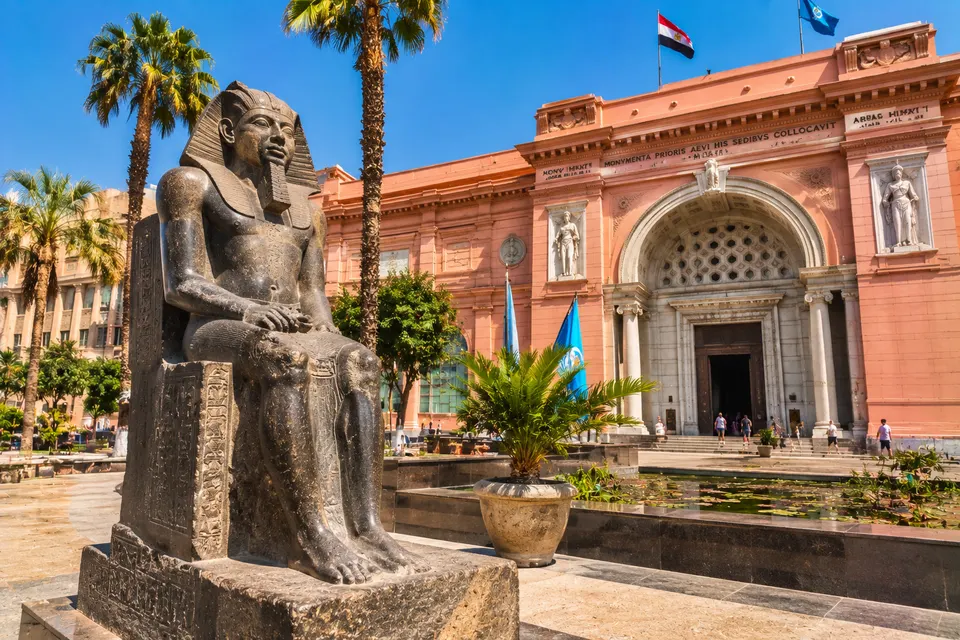
Muzeum faraonów z 1902 roku i nowy dom mumii królewskich w Fustacie.
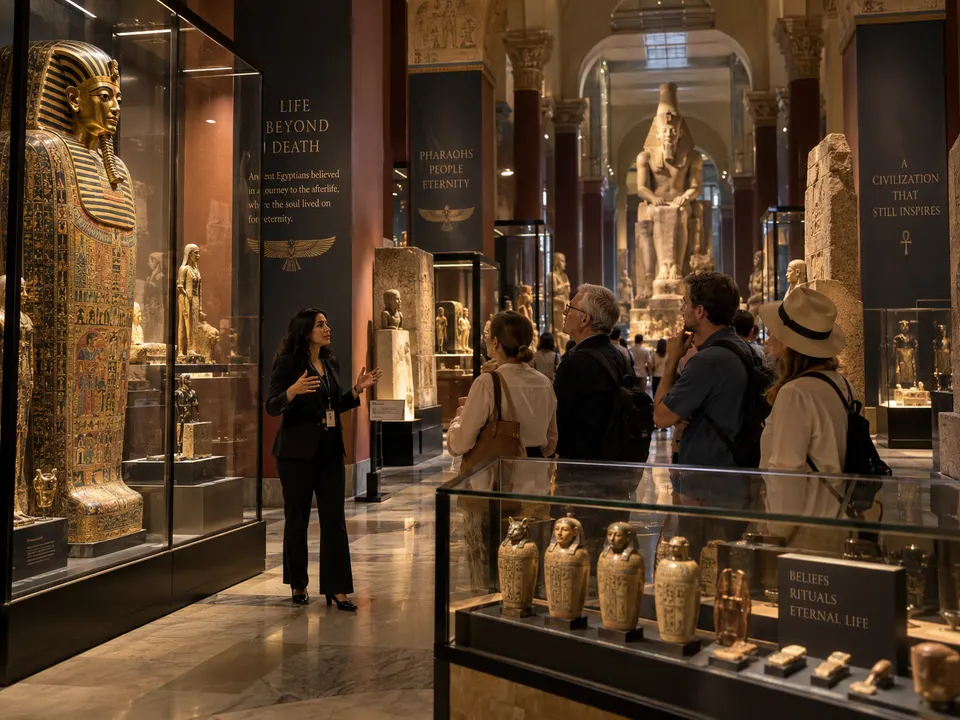
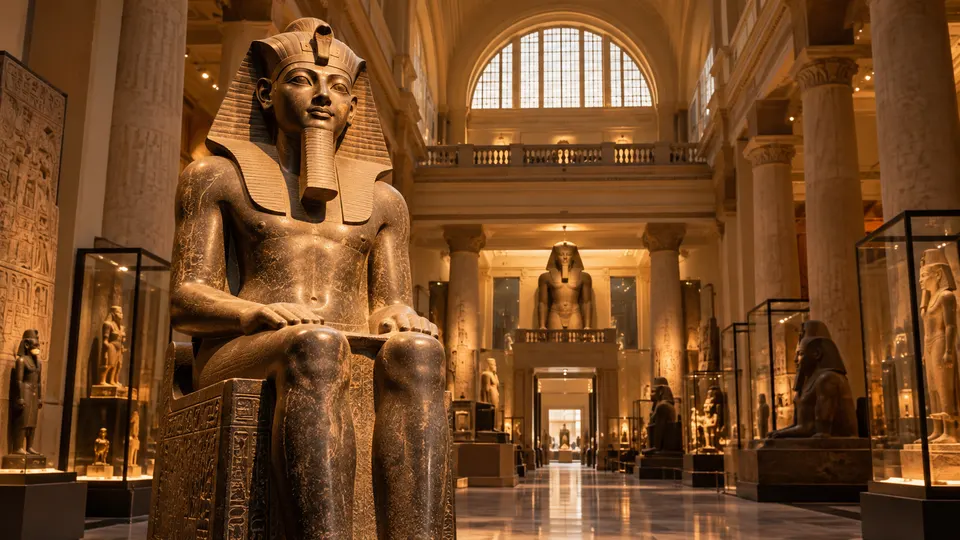
Muzeum Egipskie na placu Tahrir (1902) mieści 120 000 obiektów: paletę Narmera, posągi Starego Państwa, galerię amarneńską. Skarby Tutanchamona przeniesiono do Wielkiego Muzeum Egipskiego, a mumie królewskie w 2021 roku do Narodowego Muzeum Cywilizacji Egipskiej (NMEC) w Fustacie. Bilety około 550 EGP każdy; nasze dni w Kairze obejmują jedno z muzeów z egiptologiem.
The neoclassical building on Tahrir Square is the oldest purpose-built museum in the Middle East, and although its two most famous collections have moved, it remains the best place in the world for the art of the Old Kingdom: the seated Khafre in diorite, the wooden Sheikh el-Balad, the painted Rahotep and Nofret, the Meidum geese. The Amarna gallery upstairs shows Akhenaten, Nefertiti and their daughters.
The National Museum of Egyptian Civilization sits by the lake of Ain El Sira in Fustat, the first Islamic capital. Its main hall tells the story of Egypt through crafts and daily life; below it, the Royal Mummies Hall, designed like a tomb, holds twenty kings and queens moved here from Tahrir in the Pharaohs' Golden Parade of April 2021. Ramses II, Seti I and Hatshepsut lie in separate chambers.
Our Cairo days pair either museum with the Citadel, Coptic Cairo and Khan El Khalili. The museum comes first in the morning, when the galleries are quiet.
Najlepszy czas: Poranki w dni powszednie. Piątki i soboty są zatłoczone przez kairskie rodziny.