Klasszikus Kairó4.8
Kairó
Egyiptomi Múzeum, Citadella, Khan El Khalili bazár és Ó-Kairó
Ötezer év egy nap alatt: fáraók a Tahrir téren, Szaladin citadellája, a Függő templom és a bazár.
9 óraPrivát
85 EUR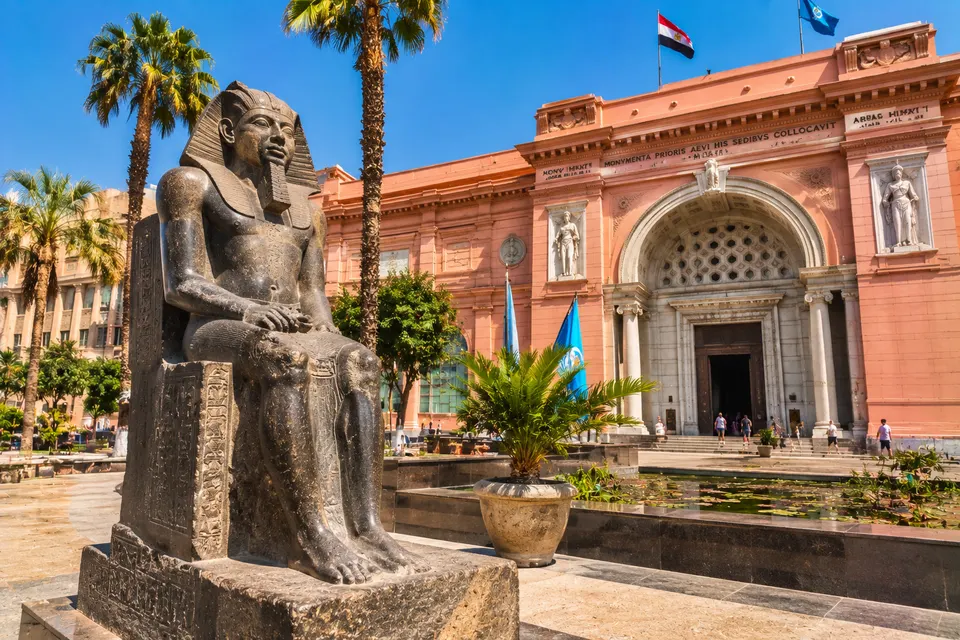
A fáraók 1902-es múzeuma és a királyi múmiák új otthona Fusztátban.
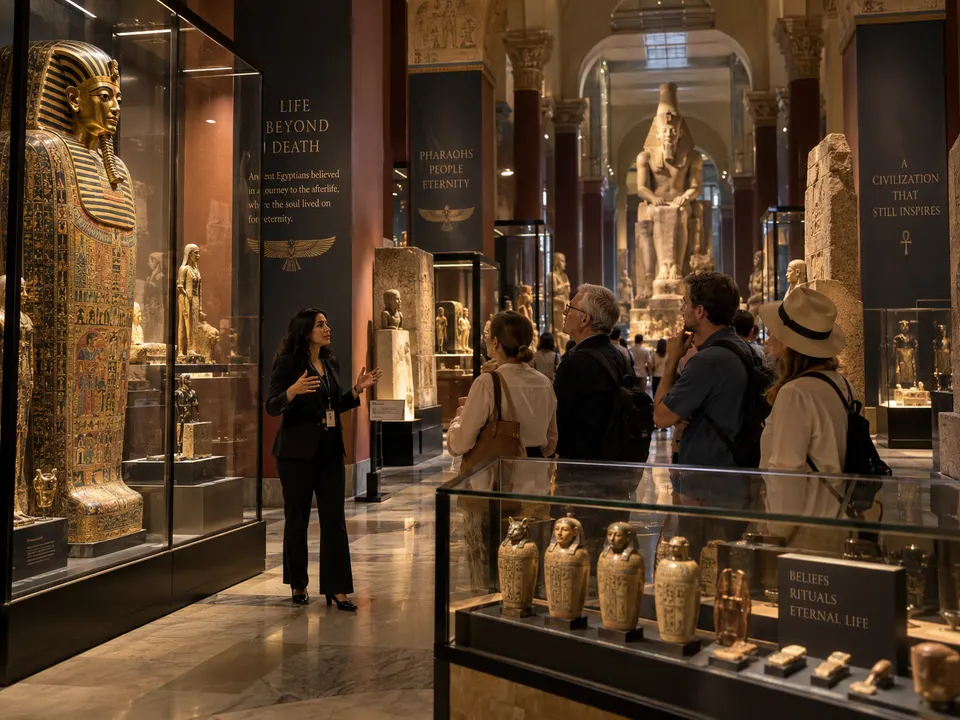
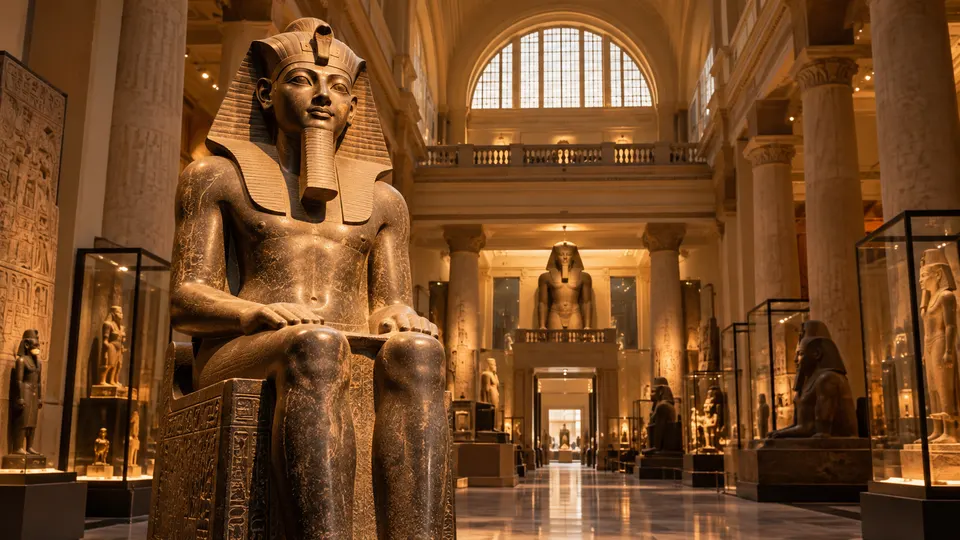
A Tahrir téri Egyiptomi Múzeum (1902) 120 000 tárgyat őriz: a Narmer-palettát, az Óbirodalom szobrait, az Amarna-galériát. Tutanhamon kincsei a Nagy Egyiptomi Múzeumba, a királyi múmiák pedig 2021-ben a fusztáti Egyiptomi Civilizáció Nemzeti Múzeumába (NMEC) költöztek. Belépők kb. 550 EGP múzeumonként; kairói napjaink egyiptológussal tartalmazzák az egyik vagy a másik múzeumot.
The neoclassical building on Tahrir Square is the oldest purpose-built museum in the Middle East, and although its two most famous collections have moved, it remains the best place in the world for the art of the Old Kingdom: the seated Khafre in diorite, the wooden Sheikh el-Balad, the painted Rahotep and Nofret, the Meidum geese. The Amarna gallery upstairs shows Akhenaten, Nefertiti and their daughters.
The National Museum of Egyptian Civilization sits by the lake of Ain El Sira in Fustat, the first Islamic capital. Its main hall tells the story of Egypt through crafts and daily life; below it, the Royal Mummies Hall, designed like a tomb, holds twenty kings and queens moved here from Tahrir in the Pharaohs' Golden Parade of April 2021. Ramses II, Seti I and Hatshepsut lie in separate chambers.
Our Cairo days pair either museum with the Citadel, Coptic Cairo and Khan El Khalili. The museum comes first in the morning, when the galleries are quiet.
Legjobb időszak: Hétköznap délelőtt. Pénteken és szombaton kairói családokkal zsúfolt.