Skip to content
Tut-Egypt.Tours
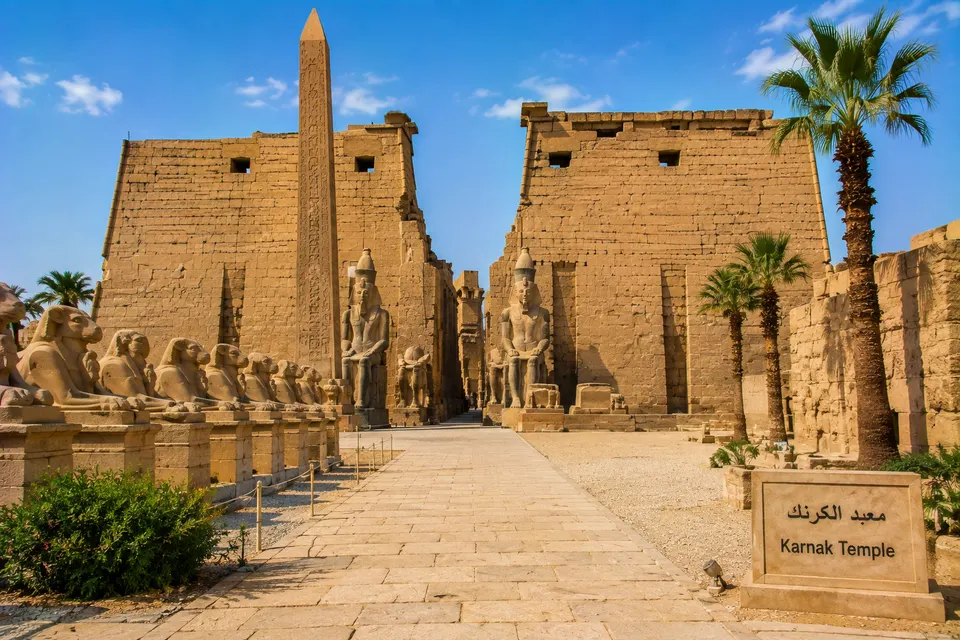
First pylon of Karnak Temple and the Avenue of Sphinxes
Luxor y el Nilo

Templo de Karnak

El mayor edificio religioso jamás construido, 2.000 años de obras.

Construido
c. 2055 a. C. a 30 a. C., treinta faraones
Superficie
100 hectáreas; solo el recinto de Amón 30 ha
Sala hipóstila
134 columnas, 5.000 m², Seti I y Ramsés II
Obeliscos
Hatshepsut 29,5 m; Tutmosis I 21 m

Karnak es el templo de Amón en Tebas, construido y ampliado desde c. 2055 a. C. hasta los Ptolomeos sobre 100 hectáreas: la Gran Sala Hipóstila de 134 columnas, los obeliscos de Hatshepsut y Tutmosis III, el lago sagrado y la Avenida de las Esfinges hasta el templo de Luxor. Dos horas con guía; entrada unas 600 EGP; el espectáculo de luz y sonido es por la noche. Incluido en todas las excursiones de un día por Luxor.

La visita

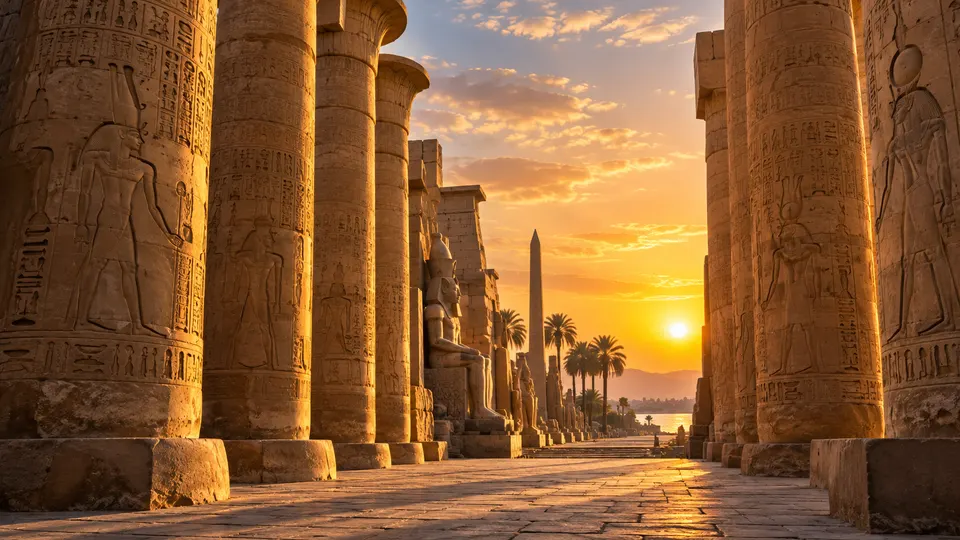
Every pharaoh of the New Kingdom added to Karnak, so walking from the first pylon to the sanctuary is walking backwards in time. The Avenue of Ram-headed Sphinxes leads through the pylon of the last dynasty into the courtyard, then the Great Hypostyle Hall: twelve central columns 21 m high with open papyrus capitals, 122 smaller ones around them, all carved and once painted.

Beyond the hall stand the obelisks of Thutmose I and Hatshepsut, the sanctuary of the sacred bark, the Festival Hall of Thutmose III with its tent-pole columns, and the sacred lake where the priests washed before dawn. The open-air museum keeps the reconstructed White Chapel of Senusret I and the Red Chapel of Hatshepsut.

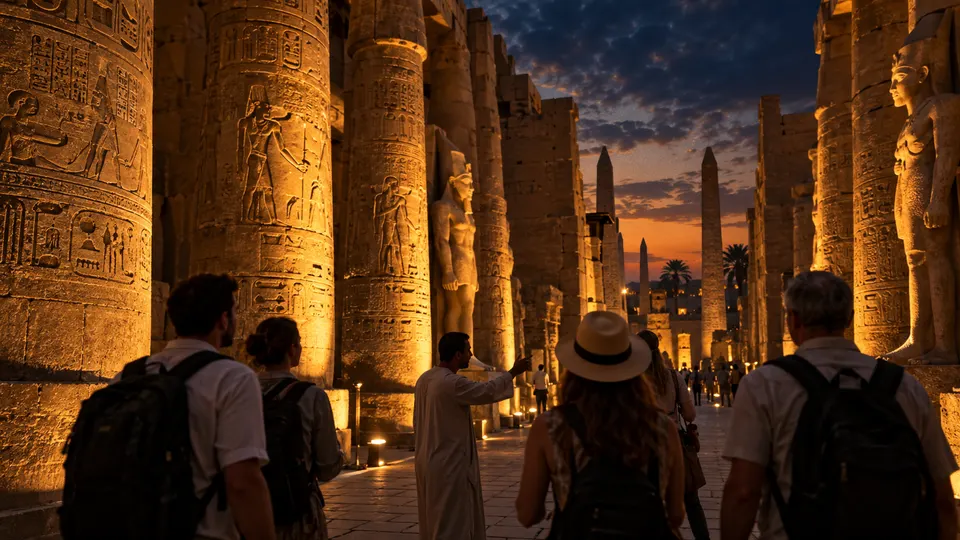
At night the Sound and Light Show leads you through the same route with the columns lit from below; by day the site opens at 06:00 and the first hour is the quietest.

Consejos de nuestros guías

  • Two hours minimum; three with the open-air museum
  • Morning light is on the hypostyle hall; afternoon on the obelisks
  • The Sound and Light Show is best after a daytime visit

Mejor época: A primera hora de la mañana o a partir de las 15:00; de octubre a abril por el calor.

Preguntas

Two hours with a guide for the main axis, the obelisks and the sacred lake; three if you add the open-air museum.
25.7188 N, 32.6573 EAbrir en Google Maps