Best seller4.9
Luxor
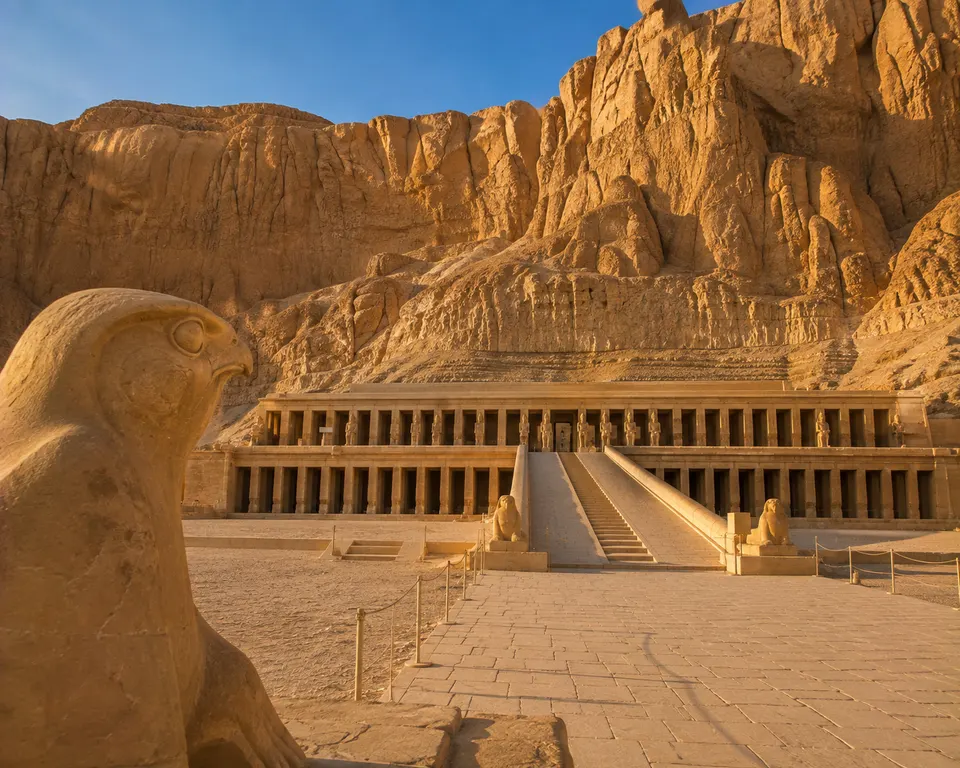
Luxor Full Day: Valley of the Kings, Hatshepsut Temple, Colossi of Memnon, Karnak and Luxor Temples
Both banks of the Nile in one day: the tombs of the pharaohs in the morning, the great temples in the afternoon.
8 hPrivate
€75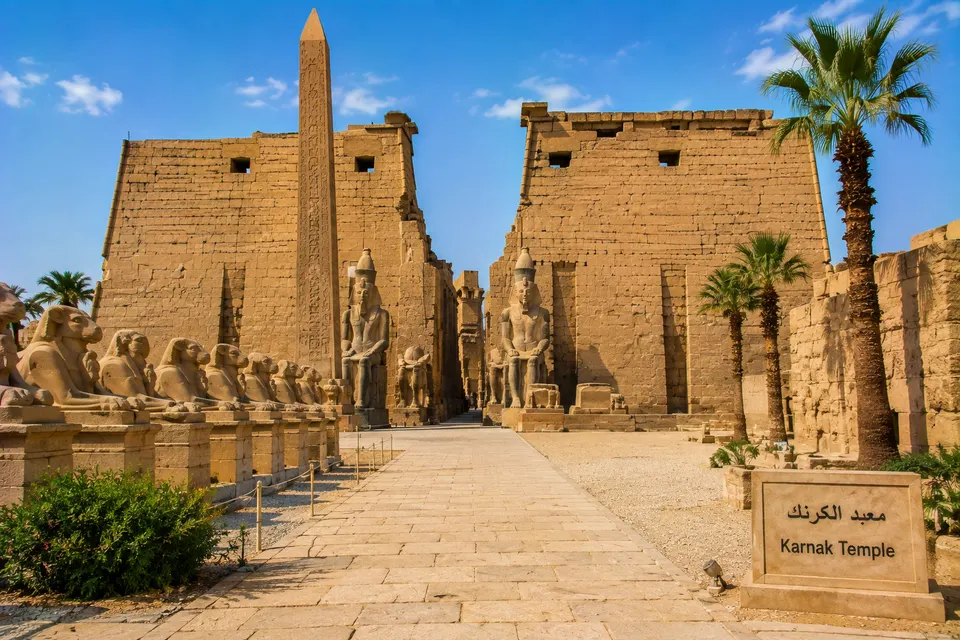
The largest religious building ever built, 2,000 years in the making.
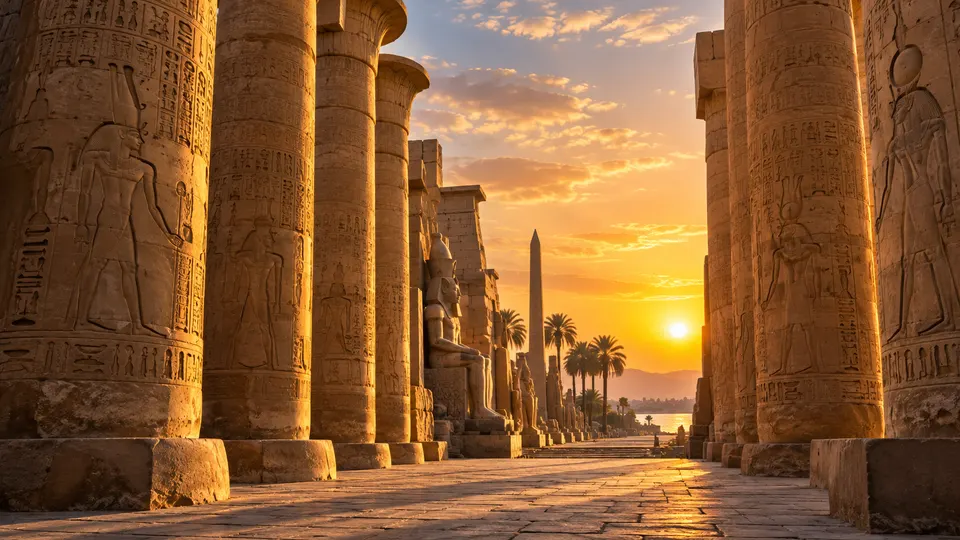
Karnak is the temple of Amun at Thebes, built and extended from about 2055 BC to the Ptolemies over 100 hectares: the Great Hypostyle Hall of 134 columns, the obelisks of Hatshepsut and Thutmose III, the sacred lake, and the Avenue of Sphinxes to Luxor Temple. Two hours with a guide; ticket about 600 EGP; the Sound and Light Show runs in the evening. Included on every Luxor day tour.
Every pharaoh of the New Kingdom added to Karnak, so walking from the first pylon to the sanctuary is walking backwards in time. The Avenue of Ram-headed Sphinxes leads through the pylon of the last dynasty into the courtyard, then the Great Hypostyle Hall: twelve central columns 21 m high with open papyrus capitals, 122 smaller ones around them, all carved and once painted.
Beyond the hall stand the obelisks of Thutmose I and Hatshepsut, the sanctuary of the sacred bark, the Festival Hall of Thutmose III with its tent-pole columns, and the sacred lake where the priests washed before dawn. The open-air museum keeps the reconstructed White Chapel of Senusret I and the Red Chapel of Hatshepsut.
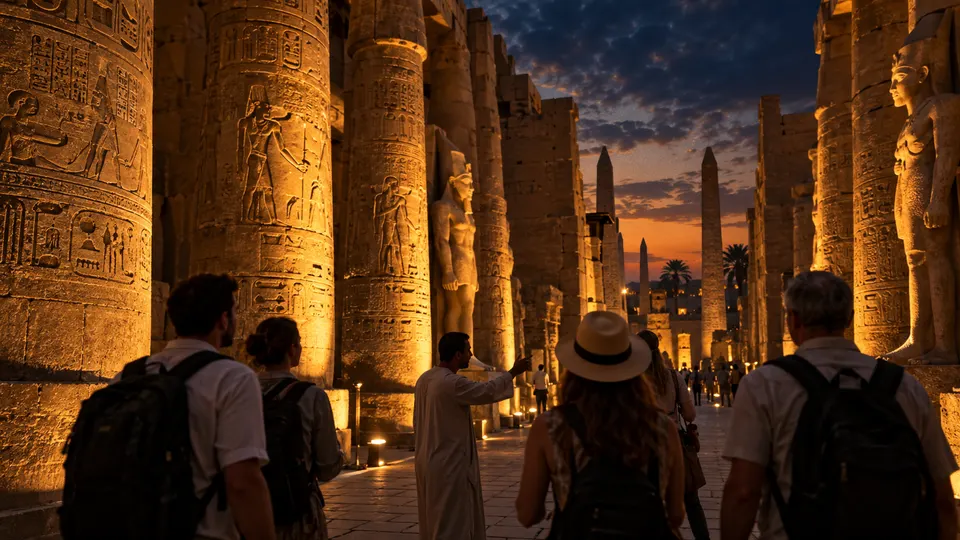
At night the Sound and Light Show leads you through the same route with the columns lit from below; by day the site opens at 06:00 and the first hour is the quietest.
Best time: Early morning or from 15:00; October to April for the heat.
Luxor
Both banks of the Nile in one day: the tombs of the pharaohs in the morning, the great temples in the afternoon.